

Understanding Karate Session Formats UK: Your Guide to Choosing the Right Class
- Shotokan JKA
- 11 hours ago
- 5 min read
If you’re thinking about starting karate or want to deepen your practice, understanding the different karate session formats in the UK is essential. Whether you’re a child, teen, or adult, knowing what to expect from each class type will help you find the perfect fit. I’ve been through this journey myself, and I’m here to share everything you need to know to get started confidently!
Exploring Karate Session Formats UK: What’s on Offer?
Karate classes in the UK come in various formats, each designed to suit different goals, ages, and skill levels. You might find classes that focus on fitness, self-defence, competition, or traditional training. Here’s a quick breakdown of the most common formats you’ll encounter:
Beginner Classes: These are perfect if you’re new to karate. They focus on basic techniques, stances, and simple kata (forms). Expect a friendly, supportive environment where you can build confidence.
Intermediate and Advanced Classes: Once you’ve mastered the basics, these classes ramp up the intensity. You’ll learn more complex kata, sparring techniques, and conditioning drills.
Children’s Classes: Tailored for younger students, these sessions mix fun with discipline. They often include games that teach karate principles and help develop coordination.
Adult Classes: Designed for grown-ups, these classes balance fitness, technique, and self-defence. They’re great for stress relief and building strength.
Competition Training: If you want to compete, look for classes that focus on kumite (sparring) and tournament rules.
Traditional Karate Classes: These sessions stick closely to the original teachings of Shotokan or other styles, emphasising discipline, etiquette, and kata perfection.
Each format has its own pace and focus, so think about what you want to achieve. Are you after fitness? Self-defence? Or maybe the challenge of grading and competition? Knowing this will guide your choice.

How to Choose the Right Karate Session Format for You
Choosing the right karate session format can feel overwhelming, but it doesn’t have to be! Here’s a simple step-by-step guide to help you decide:
Identify Your Goals
What do you want from karate? Fitness, self-defence, discipline, or competition? Your goals will narrow down the formats that suit you best.
Consider Your Age and Fitness Level
Some classes are designed specifically for children or adults. Beginners might prefer slower-paced sessions, while experienced practitioners can handle more intense training.
Check Class Schedules and Locations
Convenience matters! Look for classes near Luton or Watford that fit your timetable.
Visit a Trial Class
Most dojos offer a free or discounted trial. Attend one to get a feel for the teaching style, class atmosphere, and fellow students.
Ask About Grading and Progression
If you want to earn belts and advance, find out how the dojo handles grading and what the requirements are.
Look for Authenticity
If traditional Shotokan karate is your goal, ensure the dojo follows JKA standards and has qualified instructors.
Remember, the best class is one where you feel motivated, challenged, and supported. Don’t be afraid to try a few different formats before settling in.
What are the 4 Styles of Karate?
Karate is not one-size-fits-all. There are several styles, each with unique characteristics. The four most popular styles you’ll find in the UK are:
Shotokan
Known for its deep stances and powerful linear techniques, Shotokan is one of the most widely practiced styles worldwide. It emphasises kata, kihon (basics), and kumite (sparring).
Goju-Ryu
This style blends hard and soft techniques, combining strong strikes with circular movements and breathing exercises. It’s great for those who want a balanced approach.
Shito-Ryu
Shito-Ryu offers a large variety of kata and focuses on speed and precision. It’s a versatile style that appeals to many practitioners.
Wado-Ryu
Wado-Ryu incorporates elements of jujutsu, focusing on body shifting and evasion rather than direct confrontation. It’s ideal if you prefer fluid movement and strategy.
Each style has its own philosophy and training methods. If you’re interested in traditional Shotokan karate, you’ll want to find a dojo that specialises in that style, especially one affiliated with the Japan Karate Association (JKA).

What to Expect in a Typical Karate Class
Wondering what a karate class looks like? Here’s a snapshot of a typical session, especially in a traditional Shotokan dojo:
Warm-Up
Expect dynamic stretches, jogging, and joint rotations to prepare your body.
Kihon (Basics)
You’ll practice punches, kicks, blocks, and stances repeatedly to build muscle memory.
Kata (Forms)
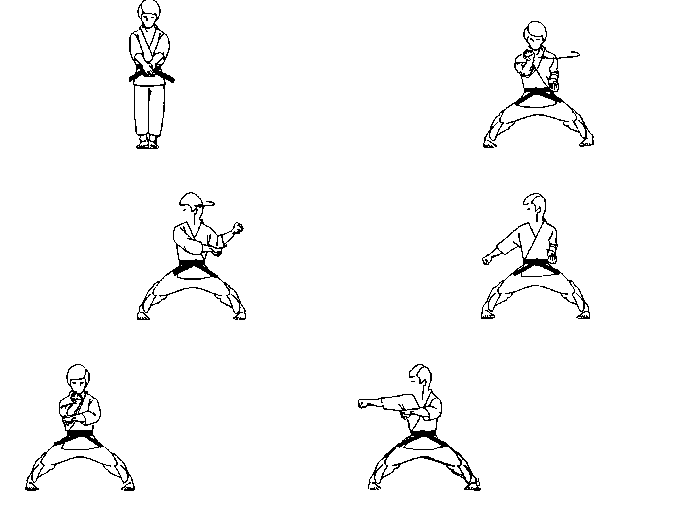
Kata are choreographed sequences of movements that simulate fighting multiple opponents. You’ll learn and perfect these step-by-step.
Kumite (Sparring)
Depending on your level, you might practice controlled sparring with a partner to apply techniques in real-time.
Cool Down and Reflection
Classes often end with light stretching and a moment to reflect on what you learned.
Throughout the class, instructors emphasise respect, discipline, and focus. You’ll bow when entering and leaving the dojo, listen carefully, and support your fellow students.
Why Traditional Shotokan Karate is a Great Choice in Luton and Watford
If you’re in Luton or Watford, traditional Shotokan karate offers a fantastic path to physical fitness, mental strength, and personal growth. Here’s why I recommend it:
Structured Progression
Shotokan’s belt system motivates you to keep improving, with clear goals at every stage.
Strong Community
Training in a traditional dojo builds friendships and a sense of belonging.
Character Development
Beyond physical skills, Shotokan teaches respect, perseverance, and self-discipline.
Authentic Training
Following JKA standards means you learn karate as it was intended, preserving its rich heritage.
Suitable for All Ages
Whether you’re a child, teen, or adult, Shotokan classes adapt to your needs and abilities.
If you want to experience authentic Shotokan karate, look for dojos in your area that offer classes aligned with these principles. You’ll find yourself growing stronger, more confident, and ready to face life’s challenges head-on.
Taking the First Step: How to Join a Karate Class Near You
Ready to start your karate journey? Here’s how to take that exciting first step:
Search for Local Dojos
Use online directories or community boards to find karate clubs in Luton and Watford.
Check Credentials
Look for instructors certified by reputable organisations like the JKA.
Contact the Dojo
Ask about class times, fees, and trial sessions.
Prepare Your Kit
Most dojos require a karate gi (uniform). Some may provide loaners for beginners.
Set Your Goals
Write down what you want to achieve. This will keep you motivated.
Show Up and Have Fun!
The hardest part is walking through the door. Once you do, you’ll be part of a supportive community.
Karate is more than just a martial art - it’s a journey of self-discovery and empowerment. By understanding the different karate session formats UK offers, you’re already ahead of the game. So, why wait? Step onto the mat, embrace the challenge, and watch yourself transform!


Comments